
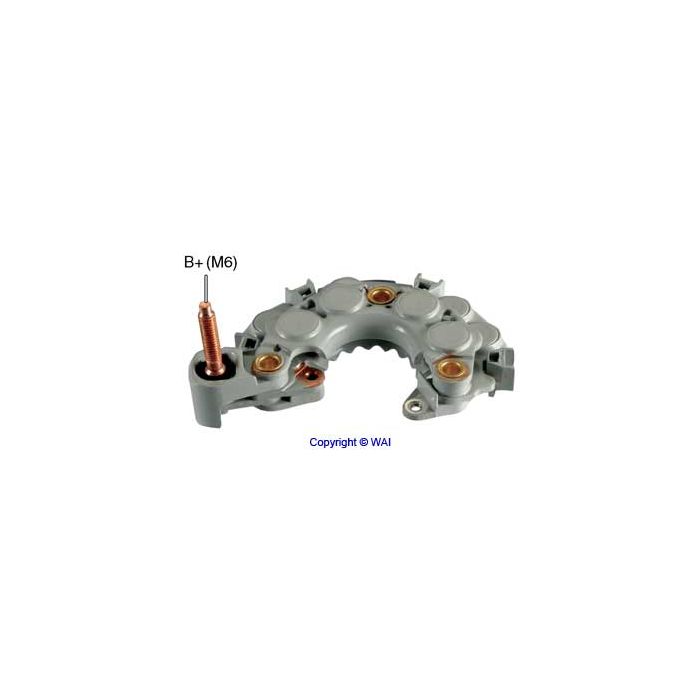
Click to zoom in

| Make | Model | Year | Engine |
| Chrysler | Dynasty | 1988 | V6 3.0L 2972cc 181cid |
| Chrysler | New Yorker | 1988 | V6 3.0L 2972cc 181cid |
| Dodge | B150 | 1988-1989 | V6 3.9L 3906cc 239cid |
| Dodge | B150 | 1988-1989 | V8 5.2L 5211cc 318cid |
| Dodge | B250 | 1988-1989 | V6 3.9L 3906cc 239cid |
| Dodge | B250 | 1988-1989 | V8 5.2L 5211cc 318cid |
| Dodge | B250 | 1988-1989 | V8 5.9L 360cid |
| Dodge | B350 | 1988-1989 | V8 5.2L 5211cc 318cid |
| Dodge | B350 | 1988-1989 | V8 5.9L 360cid |
| Dodge | Caravan | 1987-1988 | V6 3.0L 2972cc 181cid |
| Dodge | D100 | 1988-1989 | V6 3.9L 3906cc 239cid |
| Dodge | D100 | 1988-1989 | V8 5.2L 5211cc 318cid |
| Dodge | D100 | 1988 | V8 5.9L 360cid |
| Dodge | D150 | 1988-1989 | V6 3.9L 3906cc 239cid |
| Dodge | D150 | 1988-1989 | V8 5.2L 5211cc 318cid |
| Dodge | D150 | 1988-1989 | V8 5.9L 360cid |
| Dodge | D250 | 1988-1989 | V6 3.9L 3906cc 239cid |
| Dodge | D250 | 1988-1989 | V8 5.2L 5211cc 318cid |
| Dodge | D250 | 1988-1989 | V8 5.9L 360cid |
| Dodge | D350 | 1988-1989 | V8 5.9L 360cid |
| Dodge | Dakota | 1988-1989 | V6 3.9L 3906cc 239cid |
| Dodge | Dakota | 1989 | V8 5.2L 5211cc 318cid |
| Dodge | Dynasty | 1988 | V6 3.0L 2972cc 181cid |
| Dodge | Mini Ram | 1987 | V6 3.0L 2972cc 181cid VIN 3 |
| Dodge | Ramcharger | 1988-1989 | V8 5.2L 5211cc 318cid |
| Dodge | Ramcharger | 1988-1989 | V8 5.9L 360cid |
| Dodge | W100 | 1988-1989 | V8 5.2L 5211cc 318cid |
| Dodge | W100 | 1988 | V8 5.9L 360cid |
| Dodge | W100 | 1989 | V6 3.9L 3906cc 239cid |
| Dodge | W150 | 1988-1989 | V8 5.2L 5211cc 318cid |
| Dodge | W150 | 1988-1989 | V8 5.9L 360cid |
| Dodge | W150 | 1989 | V6 3.9L 3906cc 239cid |
| Dodge | W250 | 1988-1989 | V8 5.2L 5211cc 318cid |
| Dodge | W250 | 1988-1989 | V8 5.9L 360cid |
| Dodge | W350 | 1988-1989 | V8 5.9L 360cid |
| Plymouth | Voyager | 1987-1988 | V6 3.0L 2972cc 181cid |
Precision aftermarket replacement part
Converts alternator-generated AC current into DC current for the vehicle charging system
Helps maintain proper battery charging and electrical system performance
Designed to provide reliable current rectification and power distribution
Manufactured to match original fit and function
Designed for dependable long-term operation
Ideal for alternator rebuilding and repair
Cross-referenced to OEM and aftermarket part numbers
The alternator rectifier converts the alternating current (AC) produced by the alternator stator into direct current (DC) that can be used by the vehicle's electrical system and battery. It uses a series of diodes to control the direction of electrical current, allowing the alternator to provide usable DC charging output.
A properly functioning rectifier is essential for stable alternator performance and reliable battery charging. Failed or damaged rectifier diodes can reduce alternator output, create excessive AC ripple, cause intermittent charging problems, or prevent the alternator from charging properly. Replacing a faulty rectifier is an important step in restoring proper alternator operation.
Replace the alternator rectifier if you notice:
Battery warning light illuminated
Battery not charging properly
Low or inconsistent charging output
Excessive AC ripple during charging system testing
Failed or shorted rectifier diodes
Intermittent charging system operation
Excessive heat or visible damage to the rectifier
Burned, damaged, or corroded stator connections
Rectifier failure discovered during alternator rebuilding or bench testing
Installation should be performed by a qualified technician or experienced alternator rebuilder. Before installing the new rectifier, inspect the stator leads, rotor, voltage regulator, brushes, brush holder, slip rings, bearings, terminals, insulators, and internal wiring for signs of wear, overheating, corrosion, or damage.
Always verify the rectifier mounting configuration, terminal arrangement, stator connection points, dimensions, and electrical design before installation. Where soldering is required, use proper alternator rebuilding procedures and avoid excessive heat that could damage the rectifier or surrounding components.
After reassembly, bench-test the alternator to confirm proper charging output, diode operation, and AC ripple performance before returning the alternator to service.
Inspect other common wear components to help maximize charging system reliability:
RC Auto Electric specializes in alternator and starter rebuilding components for professional rebuilders, repair shops, automotive technicians, and DIY enthusiasts. Our extensive catalog includes thousands of OEM and aftermarket electrical components backed by accurate cross-reference information to help simplify part identification and reduce ordering mistakes.
Compatibility information is provided as a reference only. Manufacturing revisions, production changes, and previous rebuilding modifications may affect internal alternator components. Always compare the original rectifier, mounting configuration, terminal arrangement, stator connection points, dimensions, electrical specifications, cross-reference numbers, and product photographs before installation. If you are unsure about compatibility, contact RC Auto Electric before ordering.