
Click to zoom in


13954, 23248, 23285, 23964
Bosch: F 00M 144 147, F 00M 145 272, F 00M 145 293, F 00M 145 367, F 00M 145 385
Mercedes-Benz: 003-154-37-06, 003-154-58-06
Mercedes - Europe Car
C160 1800 Kompressor 2005–2008
C180 2000 2002–2004
C180 1800 2002–2007
C200 1800 Kompressor 2002–2008
C230 1800 Kompressor 2002–2005
CLK200 1800 Kompressor 2002–2006
E200 1800 2006–2010
SLK200 1800 Kompressor 2004–2010
Vaneo 2100 2004–2010
Mercedes LCV - Europe Van
Vito 109D 2100 2003–2010
Vito 111D 2100 2003–2010
Vito 115D 2100 2003–2010
Mercedes-Benz Car
C230 L4 1.8L 1796cc 2003–2005
The voltage regulator controls the alternator's output by regulating current supplied to the rotor field winding. As electrical demand changes, the regulator continuously adjusts field current to maintain the proper charging voltage for the battery and the vehicle's electrical system.
A properly functioning voltage regulator helps prevent battery overcharging and undercharging while protecting sensitive electrical components from excessive voltage. Because charging system performance depends on the interaction between the regulator, rotor, stator, rectifier, and battery, replacing a faulty regulator is an important step in restoring alternator performance.
Replace the voltage regulator if you notice:
Installation should be performed by a qualified technician or experienced alternator rebuilder. Before installing the new regulator, inspect the brushes, brush holder, slip rings, rotor, stator, rectifier, wiring, and electrical connections for signs of wear or damage.
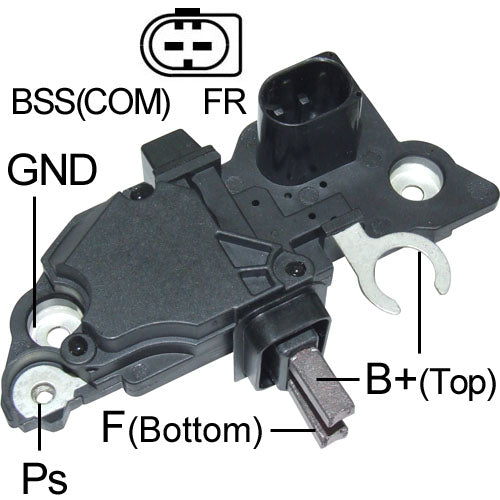
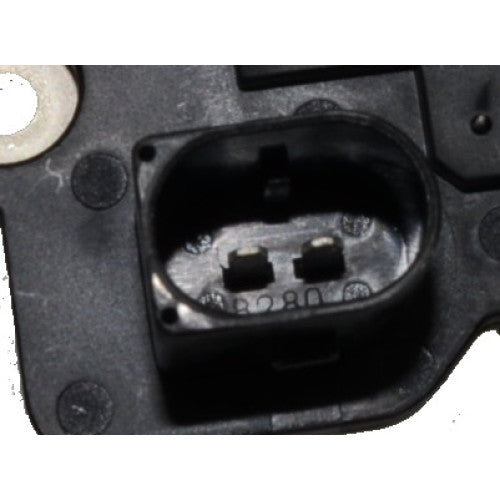
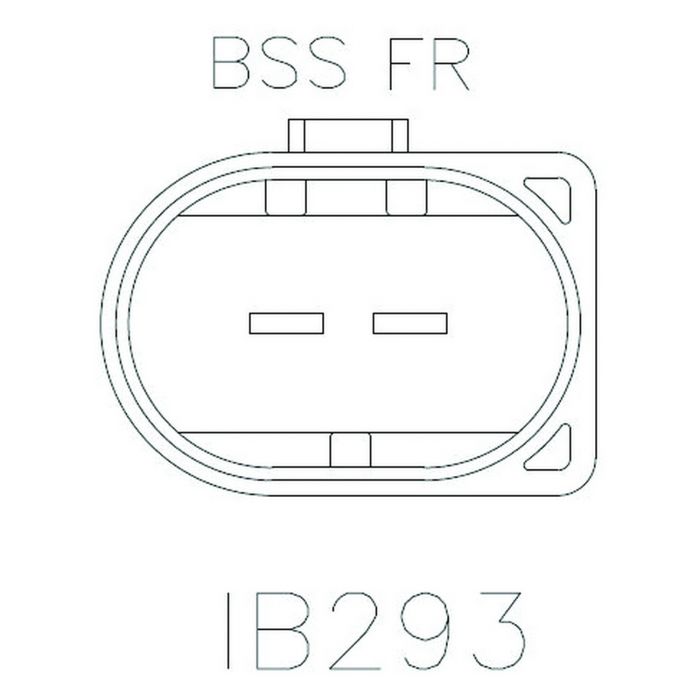
Always verify connector configuration and mounting style before installation. After assembly, bench-test the alternator to confirm proper charging voltage and overall charging system performance.
Inspect other common wear components to help maximize charging system reliability:
RC Auto Electric specializes in alternator and starter rebuilding components for professional rebuilders, repair shops, automotive technicians, and DIY enthusiasts. Our extensive catalog includes thousands of OEM and aftermarket electrical components backed by accurate cross-reference information to help simplify part identification and reduce ordering mistakes.
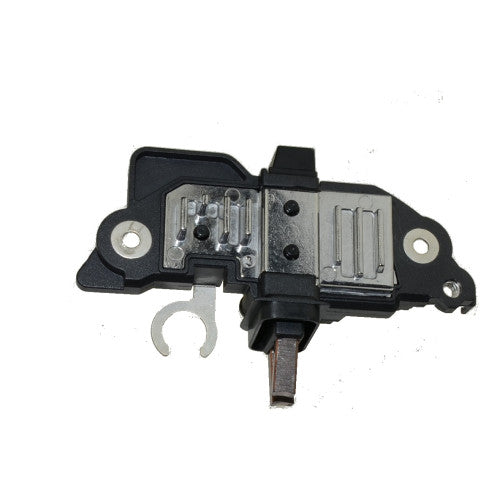
Compatibility information is provided as a reference only. Manufacturing revisions, production changes, and previous rebuilding modifications may affect internal alternator components. Always compare the original part, connector configuration, mounting style, voltage specifications, cross-reference numbers, and product photographs before installation. If you are unsure about compatibility, contact RC Auto Electric before ordering.